Wine lovers and gift‑givers alike have seen the classic combination of a fine bottle and a handful of crackers tucked into a basket. But have you ever paused to wonder why crackers are almost a compulsory sidekick? In this article we’ll explore the history, the practical reasons, the taste science, and even a dash of humor behind the inclusion of crackers in wine baskets. By the end, you’ll know exactly why those crunchy companions are essential, and how to choose the best ones for your next gift.
The Classic Pairing: Wine and Crackers
Historical Roots
Wine has been paired with food for millennia, but the specific pairing of wine with crackers dates back to the 19th‑century European cafés. Back then, patrons would order a glass of Bordeaux and a plate of crisp, salted crackers—simple, affordable, and perfect for sipping. The crackers served as a palate cleanser, a way to keep the wine’s flavor alive between sips.
Flavor Balance
Crackers provide a neutral, slightly salty base https://www.mediafire.com/file/ruzf7enkfe3imof/pdf-99632-88137.pdf/file that lets the wine’s aromatics shine. Think of it as a blank canvas: the cracker absorbs some of the wine’s tannins and acids, leaving the palate refreshed for the next sip. The contrast between the dry, crunchy cracker and the liquid richness of wine creates a harmonious dance—like a well‑orchestrated symphony where each instrument has its moment.
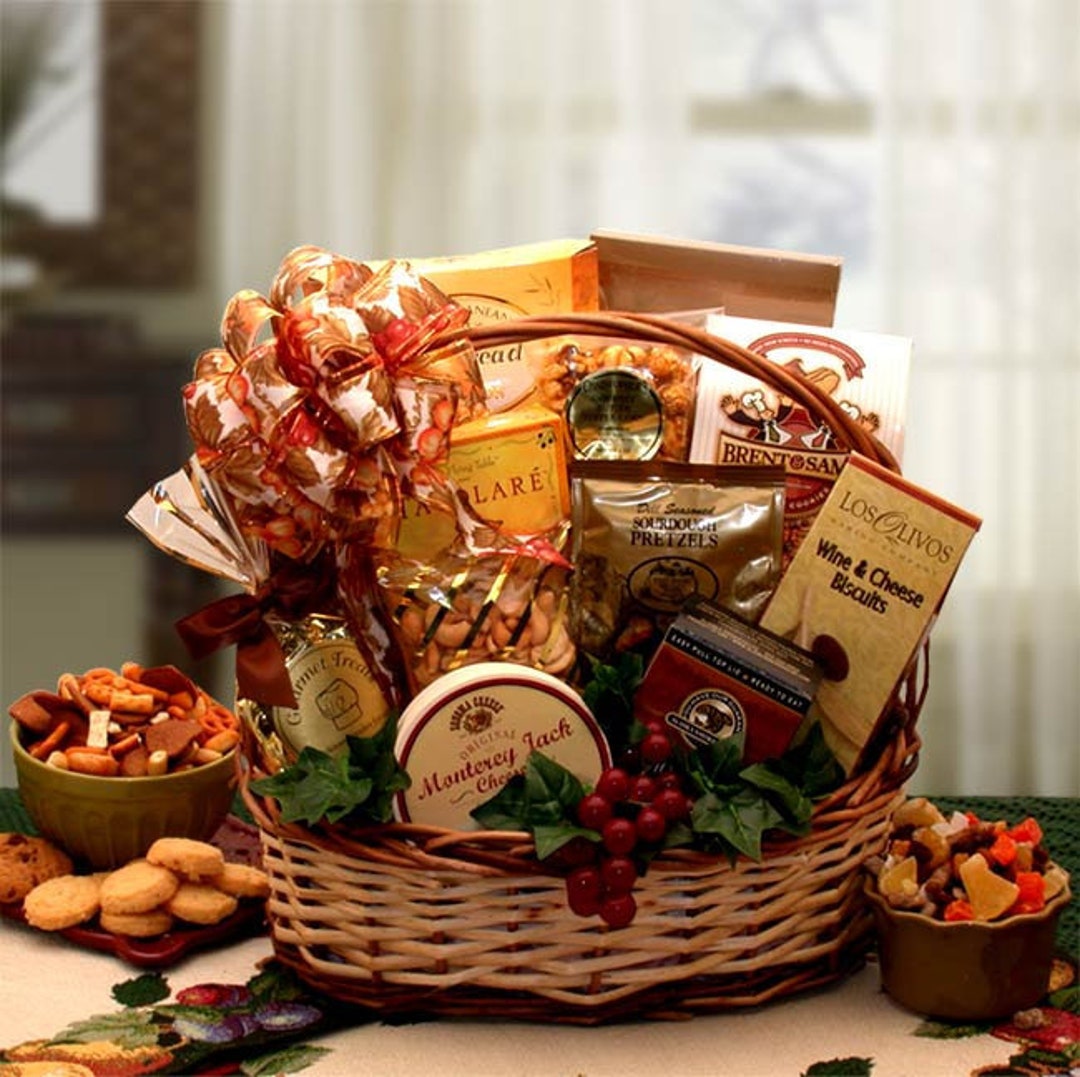
Practical Reasons Behind the Inclusion
Texture Contrast
Wine is liquid, smooth, and often silky. Crackers add a textural counterpoint that breaks the monotony. The crunch acts as a tactile cue, reminding the drinker that they’re enjoying something more than just a beverage.
Mouthwash Effect
After a sip of wine, the mouth can feel sticky or overly dry. A cracker offers a quick cleanse, absorbing excess wine and preparing the palate for the next flavor. It’s a subtle but powerful technique that many sommeliers swear by.
Portion Control
Crackers can serve as a guide for how much wine to drink. If you’ve got a handful of crackers, you’re likely to take a sip, a bite, and repeat. It creates a rhythm that keeps consumption moderate—especially handy when the wine is particularly robust or pricey.
Types of Crackers That Shine in a Basket
Artisan vs Store‑Bought
- Artisan crackers: Often handmade, with unique textures and flavors (e.g., rosemary, sea salt, or olive oil). They add a touch of sophistication. Store‑bought crackers: Convenient, affordable, and widely available. Classic options like saltine or wheat crackers are reliable staples.
Flavor Pairings
| Wine Type | Cracker Flavor | Why It Works |
|-----------|----------------|--------------|
| Cabernet Sauvignon | Olive‑oil, rosemary | The herbaceous notes echo the wine’s earthiness. |
| Chardonnay | Buttered, sesame Helpful hints | The buttery finish complements the wine’s creaminess. |
| Pinot Noir | Sea‑salt, cheese‑infused | Light, subtle crackers balance the wine’s delicate fruit. |
A Personal Anecdote: My First Wine Basket Experience
I still remember the first time I opened a wine basket for a friend’s birthday. The box was a rustic wooden crate, the wine a deep ruby, and the crackers—oh, the crackers! They were golden, slightly crisp, and sprinkled with sea salt. As I took a bite, the crunch echoed in the quiet kitchen, and I realized that the crackers were not just a garnish but a partner in the tasting experience. The wine’s tannins softened, and the flavors seemed to bloom—like a flower opening to the morning sun.
Expert Insights and Quotes
A Sommelier’s Perspective
> “Wine and crackers are a duet, not a solo,” says renowned sommelier Elena Marquez. “The cracker lifts the wine, allowing each note to be heard clearly.”
Her words capture the essence of why crackers are a staple in wine baskets: they enhance, not overpower.

A Baker’s Take
Local artisan baker Tomas Ruiz explains, “Crackers are the bridge between the liquid and the solid. They carry the wine’s essence onto the tongue, giving the palate a moment to breathe.” His insight highlights the culinary science behind the pairing.
How to Curate Your Own Wine Basket
Choosing the Right Wine
- Consider the recipient’s taste: If they favor bold reds, opt for a Cabernet or Syrah. For lighter palates, a crisp Sauvignon Blanc or a delicate Pinot Noir works best. Match the occasion: A celebratory bottle for a milestone, or a quiet, introspective wine for a cozy night in.
Selecting Crackers
- Texture matters: Choose crackers that have a satisfying crunch but won’t crumble under a wine glass. Flavor synergy: Pair herbs or spices in the crackers with complementary notes in the wine.
Adding Extras
- Cheese: A wedge of aged Gouda or sharp cheddar can elevate the basket. Fruit preserves: Fig jam or apricot preserves offer a sweet counterpoint. Personal note: A handwritten card adds a personal touch that completes the gift.
The Perfect Gift Awaits
When you assemble a wine basket, remember that every component—from the bottle to the crackers—plays a role in the overall experience. The crackers aren’t merely decorative; they are an integral part of the tasting journey. They balance flavors, provide texture, and help control the flow of enjoyment. So next time you’re picking out a wine basket, think of it as crafting a small, edible symphony. And if you’re ever unsure, ask yourself: Why do wine baskets include crackers? The answer lies in the harmony of taste, texture, and tradition—a perfect blend that turns a simple gift into a memorable experience.