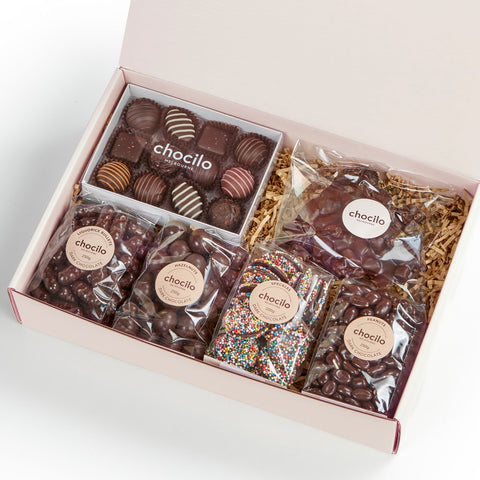
When a beautifully wrapped chocolate hamper arrives at your doorstep, the excitement can be almost palpable—like a child spotting a candy store from the highway. But before you dive in, a crucial question looms: how do you keep those confections as fresh as the moment they left the factory? This article walks you through the best practices for storing chocolate hampers after delivery, blending practical tips with a dash of humor so the process feels less like a chore and more like a delightful ritual.
Why Proper Storage Matters
Chocolate is a temperamental treat. Exposed to the wrong conditions, it can develop a white bloom, lose its snap, or absorb unwanted odors. Think of it as a diva on a stage—one misstep and Swiss chocolate the performance falters. By mastering the basics of storing chocolate hampers after delivery, you protect the flavor, texture, and visual appeal that make each piece worth savoring.
The Science Behind Chocolate’s Sensitivity
- Temperature: Ideal range is 60‑70°F (15‑21°C). Anything hotter can melt the cocoa butter; colder temperatures cause fat bloom. Humidity: Keep it below 60 % to avoid sugar bloom, which looks like a dusty frosting. Light: UV rays accelerate oxidation, turning chocolate bitter faster than a bad joke at a dinner party.
Understanding these factors helps you create a “climate-controlled” environment without needing a full‑blown laboratory.
Immediate Steps After Delivery
The moment you sign for the package, a quick assessment can save hours of disappointment later.
Inspect the Packaging
- Look for dents, punctures, or broken seals. Check for condensation inside the box—if it feels damp, the chocolates may have been exposed to temperature swings.
Let the Hamper Rest
If the delivery truck was warm, give the hamper an hour in a cool, dry spot before opening. This “cool‑down period” lets any surface moisture evaporate, preventing that dreaded white film.
> “Patience is a virtue, especially when it comes to chocolate.” – Anonymous
Ideal Storage Conditions
Creating the perfect home for your chocolate hamper doesn’t require a climate‑controlled vault, just a few mindful choices.
Choose the Right Spot
- Pantry or cupboard: Opt for a place away from the oven, dishwasher, or direct sunlight. Cabinet with a door: A closed door blocks light and helps maintain consistent temperature.
Use Proper Containers
- Airtight tins or jars: These lock out humidity and odors. Wax paper layers: Separate delicate pieces to avoid friction marks.
Simple Storage Checklist
- ✅ Store at 60‑70°F (15‑21°C) ✅ Keep humidity below 60 % ✅ Avoid direct sunlight ✅ Use airtight containers
Common Mistakes to Avoid
Even seasoned chocolate lovers slip up now and then. Here are the pitfalls that can sabotage your hamper’s longevity.
Refrigeration: Friend or Foe?
While a fridge seems like a safe haven, it introduces moisture and strong odors that chocolate readily absorbs. If you must refrigerate due to a heatwave, place the hamper in a sealed container and let it return to room temperature before unwrapping.
Mixing Flavors
Storing fruit‑filled chocolates next to plain truffles can cause cross‑contamination of flavors. Keep similar types together, or use separate compartments to preserve each taste’s integrity.
Ignoring Shelf Life
Chocolate isn’t immortal. Most dark chocolate lasts 2‑3 years, milk chocolate 1‑2 years, and white chocolate about a year. Mark the delivery date on the container and rotate older pieces to the front.
Extending Shelf Life with Simple Tricks
You don’t need a Ph.D. in food science to keep your chocolates fresh. A few kitchen hacks can make a world of difference.
- Add a silica gel packet: These tiny desiccants absorb excess moisture without touching the chocolate. Use a wooden board: Placing the hamper on a wooden surface helps regulate temperature, much like a cheese board does for dairy. Rotate regularly: Move the hamper’s contents weekly to ensure even exposure to the ambient environment.
A Sweet Story from the Warehouse
Last winter, a small boutique in Bristol received a shipment of artisanal pralines that had endured a blizzard en route. The delivery driver, fearing the chocolates would melt, tucked the boxes into his car’s trunk, which doubled as a makeshift cooler. Upon arrival, the warehouse manager opened the crates, only to find the pralines perfectly intact—no bloom, no soggy wrappers. The secret? The driver had placed a silica gel packet between each layer, turning a potential disaster into a triumph. The incident reminds us that a little foresight can turn a chilly mishap into a sweet success.
Putting It All Together
Now that you’ve explored the why, the how, and the what‑ifs of storing chocolate hampers after delivery, it’s time to put the knowledge into practice. Picture your hamper as a guest at a dinner party: you wouldn’t seat them next to a noisy blender or in a drafty hallway, right? Treat your chocolates with the same courtesy—choose a calm, cool corner, give them space to breathe, and keep unwanted aromas at bay.
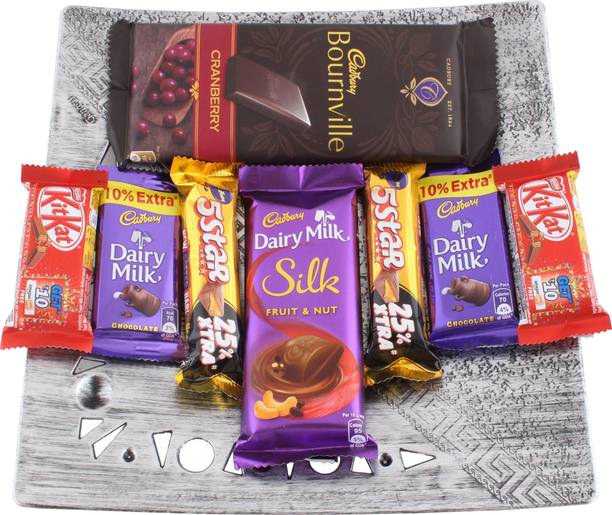
Remember, the goal isn’t just preservation; it’s about enhancing the experience each time you bite into that silky truffle or crunchy caramel. By following these steps, you’ll ensure every piece remains as delightful as the moment it arrived, turning a simple delivery into a lasting celebration.
Ready to give your chocolate hamper the five‑star treatment it deserves? Start with a quick inspection, choose the right spot, and let the sweet moments unfold—one perfectly stored bite at a time.